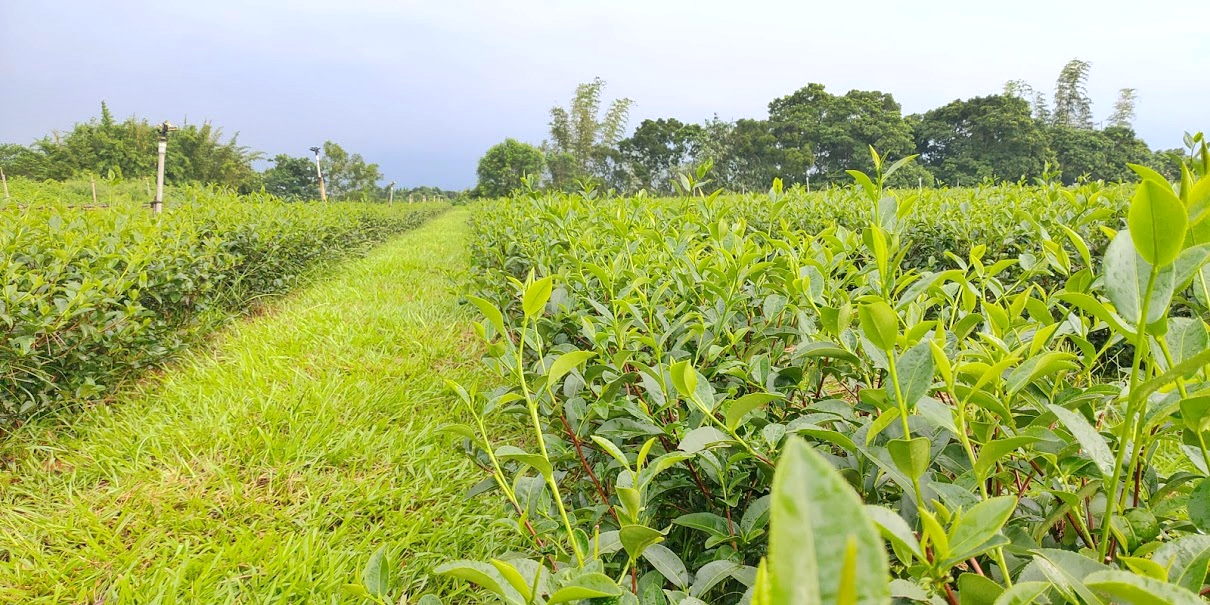
One tea garden, a whole ecosystem
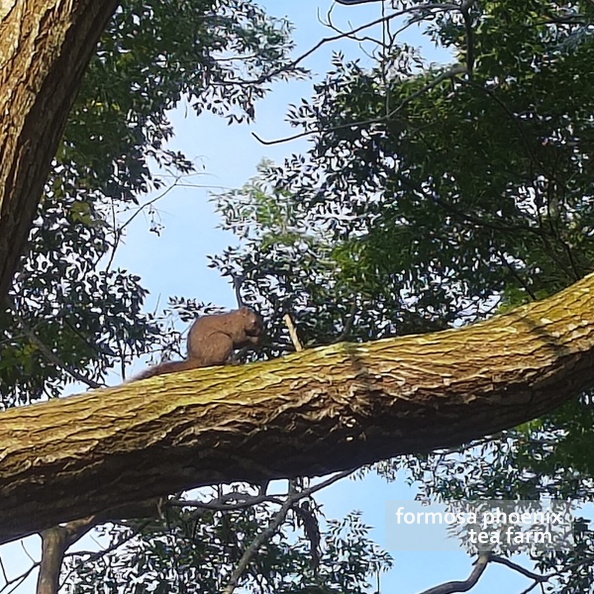
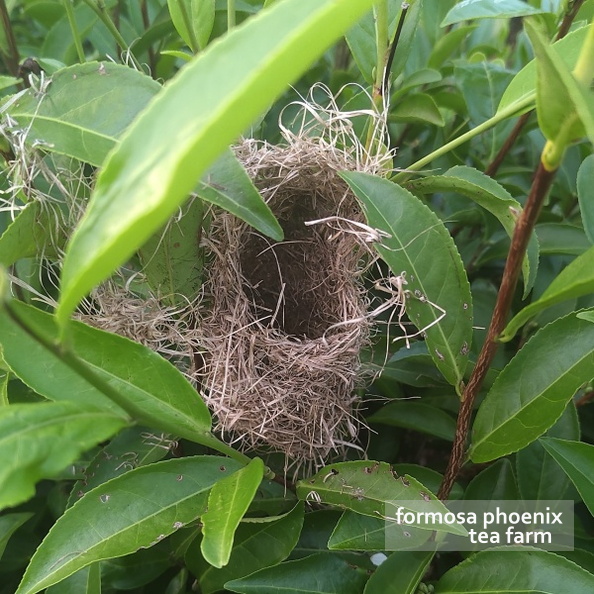
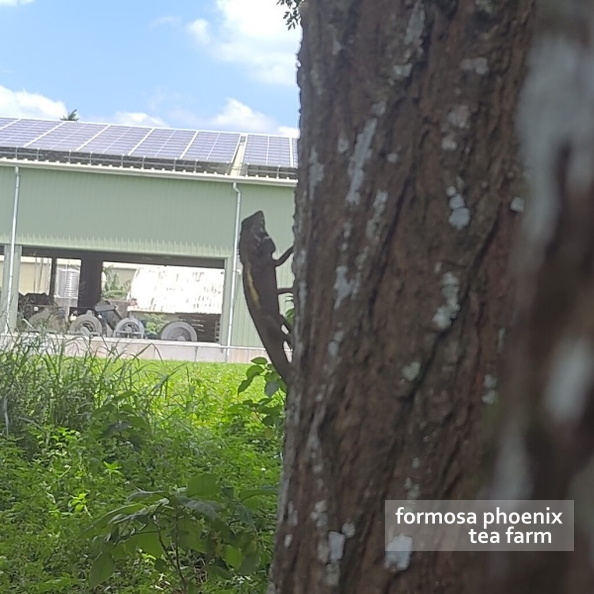
We grow our tea without pesticides or herbicides — the grass stays, and so do the insects. Over the years, mantises, ladybugs, bulbuls and tree lizards have come back one by one. They hunt pests, build nests and raise their young among the tea bushes, and they are our best partners in the field. Here are some of the neighbors we have met. Come and say hello.
The leafhopper and the honey aroma
In summer, tiny green leafhoppers nibble the young tea shoots. To protect themselves, the bitten leaves produce special aromas — and once made into tea, they give that lovely honey and ripe-fruit fragrance. This is how Taiwan's Oriental Beauty and honey black teas are born. Leafhoppers only stay in gardens without pesticides, so every sip of honey aroma is also proof of a clean tea garden.
Taste it: Organic Honey Fragrance Oolong Tea · Naturally Grown Imperial Concubine Oolong Tea · Organic Apple Honey Black Tea