 Yiguo Chen
Tea maker
Original in Chinese — translation coming soon
冬天最出色的蜜香烏龍製作
Sign in with Google to send
Log in with your account
Everyday notes from our tea maker, Yiguo Chen — the weather, the tea bushes, the tea-making, and whatever is on his mind. Leave a comment and say hello.
Yiguo Chen
Tea maker
Original in Chinese — translation coming soon
冬天最出色的蜜香烏龍製作
Yiguo Chen
Tea maker
The spring breeze brushes the emerald ridges, and countless new shoots rise like fledgling heroes appearing on the martial‑world stage, nurtured by the gentle rain.
The early‑spring infusion is crystal‑clear, as bright as moonlight reflected on water. Its aroma lingers like the gleaming chill of an ancient sword drawn from its scabbard. The sweetness intertwines strength and tenderness, while the lingering after‑taste flows back to the heart like the slow, steady current of the Yangtze River.
Early Spring Four Season oolong is sweet and elegant.
Yiguo Chen
Tea maker
While promoting sustainable tea farming, we also see many elder farmers who have quietly tended to their fruit trees for a lifetime. These fruits come from the areas surrounding our tea garden, lovingly grown by experienced hands — ripe, natural, and free of additives.
Every purchase is a show of support for local agriculture and helps bring these precious fruits straight from the source to your table.
Many visitors to our tea garden are amazed by the fruit here: “How is it so fragrant and sweet?”
We believe that the true taste of the origin is something that simply can't be mass-produced.
Here, we invite you to join us in a delicious connection with the land.
Their fruits don't appear in supermarkets or warehouse stores, yet they’ve left unforgettable impressions on travelers. We've simply built a bridge to help these treasures go a little farther.
Yiguo Chen
Tea maker
The largest tea plantation in Taiwan experienced tremendous rainfall brought by the southern current a day after the typhoon. Mingjian Twonship, Taiwan
Yiguo Chen
Tea maker
We grow our tea without pesticides or herbicides — the grass stays, and so do the insects. Over the years, mantises, ladybugs, bulbuls and tree lizards have come back one by one. They hunt pests, build nests and raise their young among the tea bushes, and they are our best partners in the field. Here are some of the neighbors we have met. Come and say hello.
In summer, tiny green leafhoppers nibble the young tea shoots. To protect themselves, the bitten leaves produce special aromas — and once made into tea, they give that lovely honey and ripe-fruit fragrance. This is how Taiwan's Oriental Beauty and honey black teas are born. Leafhoppers only stay in gardens without pesticides, so every sip of honey aroma is also proof of a clean tea garden.
Taste it: Organic Honey Fragrance Oolong Tea · Naturally Grown Imperial Concubine Oolong Tea · Organic Apple Honey Black Tea
Yiguo Chen
Tea maker

 Yiguo Chen
Tea maker

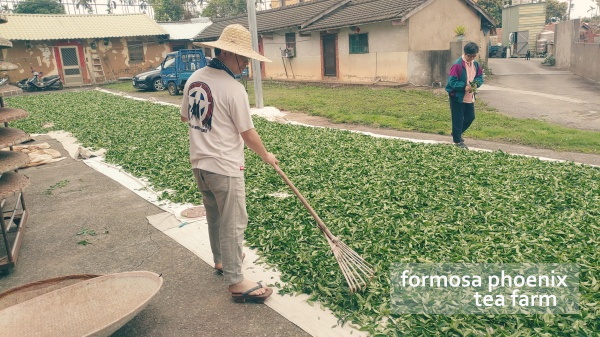
Today’s warm breeze made the entire withering process especially smooth and even. Both rolling and fermentation went perfectly. The aroma has reached its sweetest and most fragrant state. 😊😊
Yiguo Chen
Tea maker

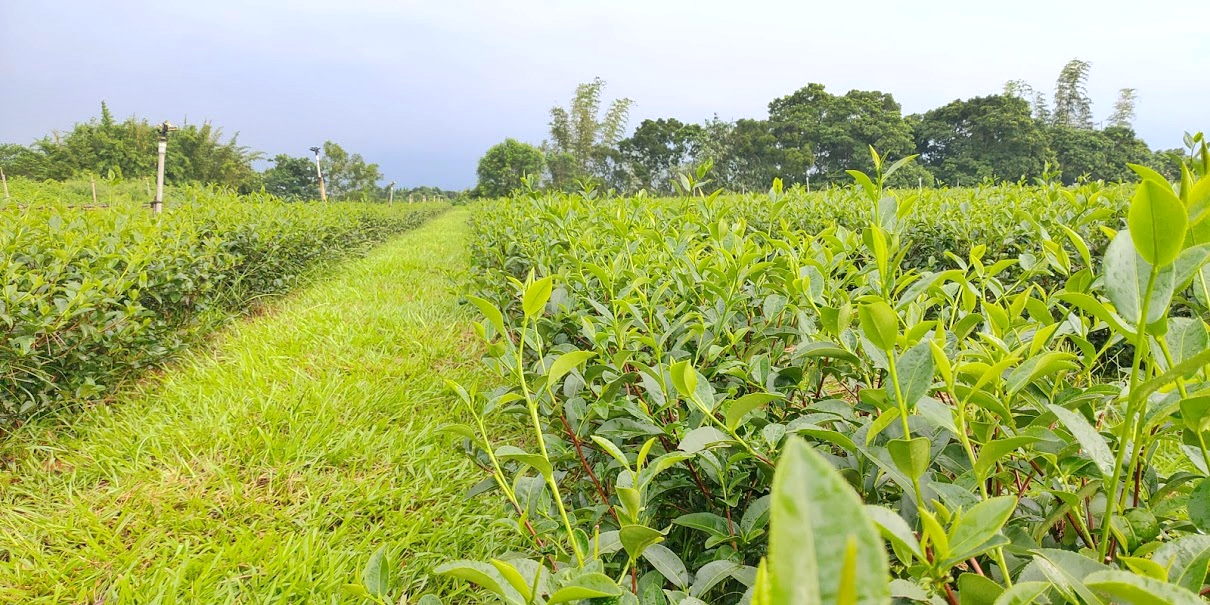
The Cuiyu tea garden looks beautiful after the rain, but this season it's also when the weeds grow endlessly after each rainfall.